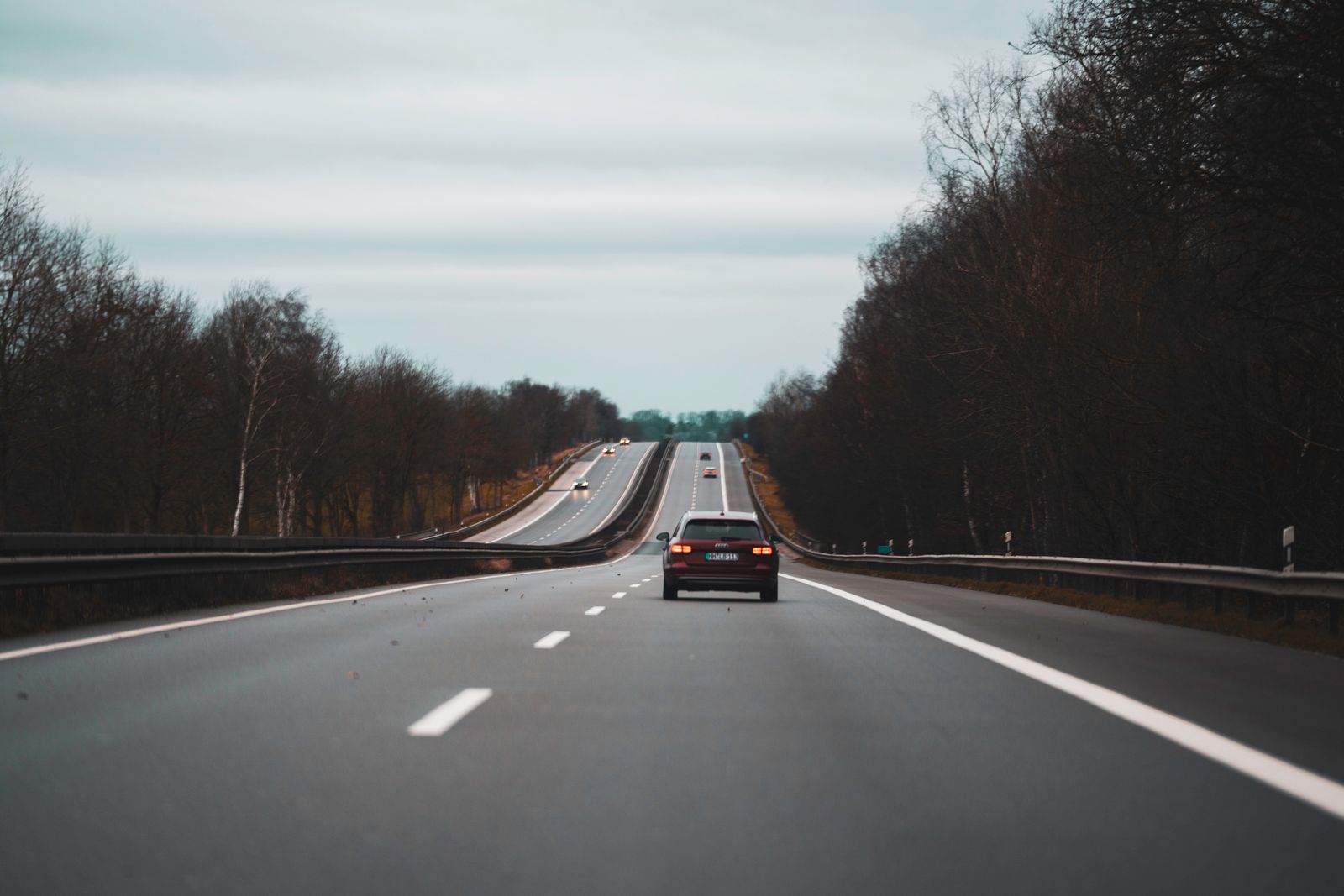
Sit at the light where Walton Boulevard meets Central and count seven cars. The estimate is that one of them has no insurance.
The Insurance Information Institute, citing Insurance Research Council data, puts Arkansas at 15.1% estimated uninsured motorists. That is not a number about bad people. It is a number about lapsed payments, cars that changed hands, policies that cancelled in a hard month, and drivers who genuinely believe they are covered and are not.
It becomes your problem for a simple reason: in Arkansas, the at-fault driver’s insurance is what pays for your injuries. If the at-fault driver has no insurance, there is nothing to pay from. You can sue, and you may even win, but a judgment against someone with no assets is a piece of paper.
That gap is exactly what uninsured motorist coverage exists to fill.
What the coverage actually does
There are two distinct pieces, and they are frequently confused.
Uninsured motorist bodily injury
This covers you and your passengers when someone with no insurance injures you. It pays for medical treatment, lost wages, and the human costs of the injury, up to the limit you selected. It generally follows you rather than the car, meaning it can apply when you are a passenger in someone else’s vehicle, or when you are struck as a pedestrian or on a bicycle.
Hit and run usually falls in here too, since a driver you cannot identify is a driver whose insurance you cannot reach.
Underinsured motorist bodily injury
This is the one that gets used more than people expect.
Underinsured coverage applies when the at-fault driver has insurance, but not enough. Somebody driving on bare minimum limits causes a wreck, you spend three days in the hospital and six weeks out of work, and their liability limit is exhausted before your bills are. Underinsured motorist coverage picks up the difference, up to the limit you carry.
Consider how often that happens. Minimum limits were written for a world of cheaper medical care. A single ambulance ride, an emergency room visit, imaging, and a short admission can burn through a small liability limit before anyone has discussed the long-term effects.
Uninsured motorist property damage
Separate coverage, separate purpose. This one repairs your vehicle when an uninsured driver damages it. It is not automatically included just because you carry the bodily injury version.
If you carry collision coverage, your own collision will repair the car regardless of who was at fault, subject to your deductible. So the practical question with uninsured motorist property damage is often about the deductible rather than about whether the car gets fixed at all. If you do not carry collision, it matters a great deal more.
How medical payments coverage fits alongside it
Medical payments coverage, usually just called med pay, is a small, inexpensive coverage that does something none of the above does: it pays medical bills immediately and without regard to fault.
No deductible. No argument about who ran the light. No waiting for two insurers to finish deciding liability. If you and your passengers are hurt in a wreck, med pay starts covering treatment, and it does so whether the other driver was uninsured, underinsured, fully insured, or whether the wreck was entirely your own fault.
The three coverages work in sequence in practice. Med pay is the fastest money and covers the early bills. Uninsured or underinsured motorist coverage is the larger backstop that addresses serious injury and lost income when the at-fault driver cannot pay. Health insurance sits underneath both, with its own deductible and network rules, and it does not pay you for lost wages at all.
Med pay limits are typically modest, and the premium reflects that. For most families it is one of the cheapest lines on the policy relative to how much aggravation it removes in the first two weeks after a wreck.
Why people decline it, and why they regret it
Uninsured motorist coverage is one of the coverages you generally have to actively turn down in writing. Which means a lot of drivers have a signed rejection somewhere in their file from a decision they made in about four seconds at a desk years ago.
The reasoning at the time is always understandable. It sounds like coverage for someone else’s mistake, and paying for someone else’s mistake feels wrong. It arrives at the end of a quote when the number is already higher than you hoped. And it protects against a situation that feels rare.
The trouble is that it is not rare, and the cost of the coverage is genuinely small compared to what it does. Liability coverage protects everyone you might hurt. Uninsured and underinsured motorist coverage is the part of the policy that protects you and the people riding with you. Carrying high liability limits and low or no uninsured motorist limits is a common combination, and it is backwards for most families.
The regret is specific and it sounds the same every time. Someone is hurt, out of work, and finds out the other driver has nothing, and the coverage that would have carried them through was a modest annual cost they turned down without really reading it.
Why this matters here specifically
Northwest Arkansas drives. Mean travel time to work is 21.6 minutes across Benton County and 19.0 minutes in Bentonville. Those are healthy commutes by national standards, but the number understates the exposure, because it counts only the trip to work. It does not count school runs to Centerton, weekend traffic on I-49, trips to Rogers for groceries, or the drive back from Bella Vista after dinner.
More miles on more roads means more chances to be the one who gets hit. And the region keeps growing, which means more traffic every year on roads that were designed for less of it.
What to check on your own policy
Pull out your declarations page and look for four things:
- Uninsured and underinsured motorist bodily injury limits. If the line is missing or says rejected, that is a real decision worth revisiting.
- Whether those limits match your liability limits. For most people it makes sense that they do.
- Uninsured motorist property damage, especially if you do not carry collision on an older vehicle.
- Medical payments, and the limit. Many people carry a token amount and have not looked at it since.
None of these require a new policy. They are usually a change you can make on the coverage you already have, and the price difference is often smaller than people expect.
If you want a straight answer
Bring your declarations page to our Bentonville office and we will read the coverages back to you in plain language, including what you have, what you turned down, and what the difference would cost. If you like where you stand, that is a fine outcome too.
Call (479) 855-6107 or come by. Joe has been doing this for over thirty-eight years right here in Northwest Arkansas, and he would rather have this conversation with you now than after a wreck.